Plant-Based Eating Gains Popularity in Indonesia
Indonesia is experiencing a growing interest in plant-based food as consumers become more concerned about health, sustainability, and food quality.
Although Indonesia is not traditionally a vegetarian-focused country, many people are increasing their consumption of vegetables, legumes, fruits, and plant-based proteins.
This trend does not necessarily mean consumers are completely abandoning animal products. Instead, many are adopting a flexitarian approach by reducing meat consumption while adding more plant-based meals.
Local Ingredients Become the Foundation of Innovation
One reason plant-based food has strong potential in Indonesia is the availability of local ingredients. Tempeh, tofu, cassava, mushrooms, beans, and various tropical fruits provide affordable nutritional alternatives.
Food entrepreneurs are using these ingredients to create modern products such as plant-based burgers, healthy snacks, protein drinks, and ready-to-eat meals.
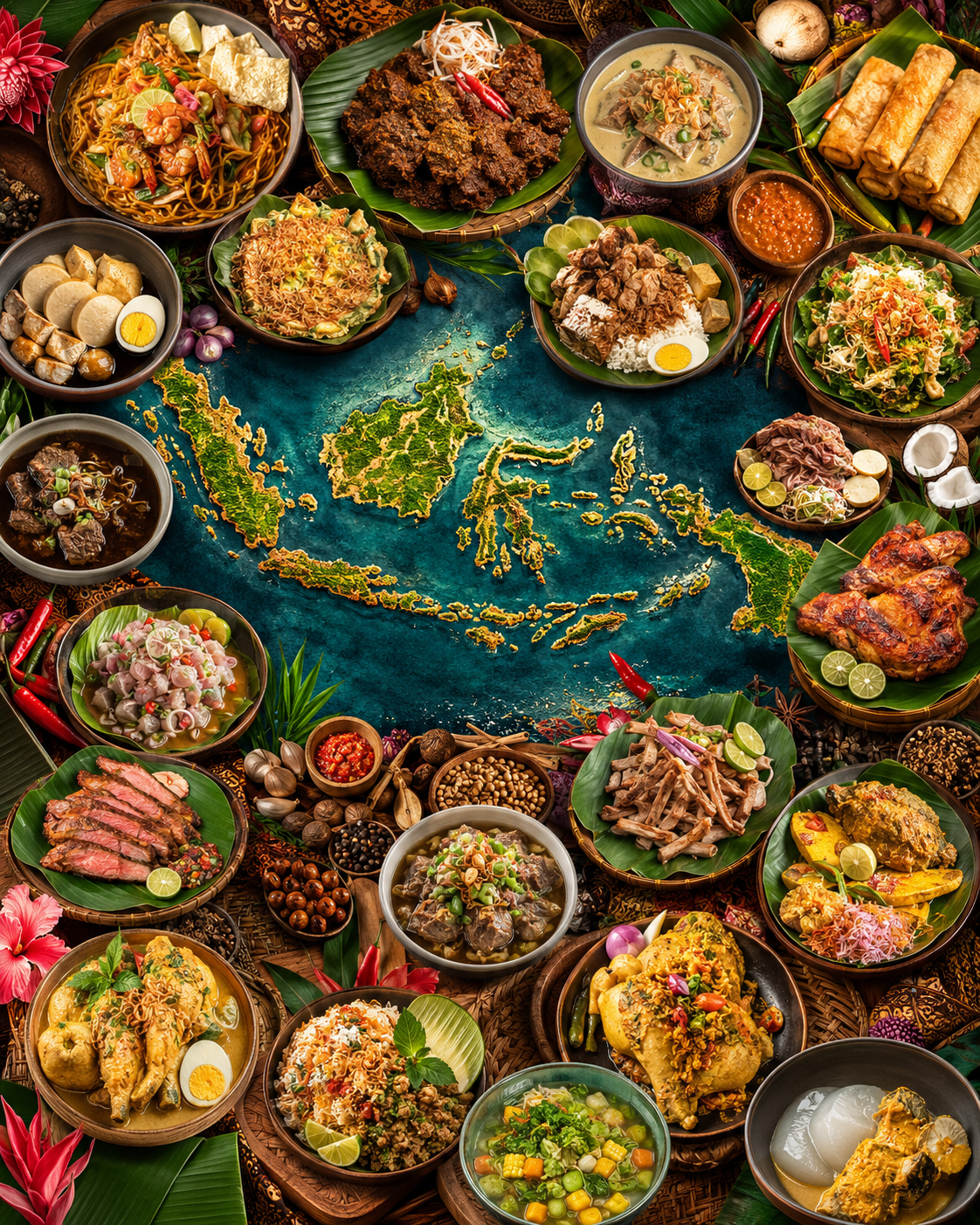
Indonesia’s traditional food heritage provides a strong advantage because many local dishes already contain plant-based elements.
Functional Foods Become More Attractive
Another important trend is the rise of functional foods. Consumers are increasingly interested in foods that offer additional health benefits beyond basic nutrition.
Examples include beverages containing probiotics, foods rich in fiber, and products designed to support immunity or digestive health.
The global functional food market continues to expand, and Indonesia is becoming part of this development as awareness of preventive health increases.
The World Health Organization emphasizes the importance of healthy diets containing adequate fruits, vegetables, and essential nutrients for disease prevention.
Source: https://www.who.int/news-room/fact-sheets/detail/healthy-diet
Sustainability Influences Food Decisions
Environmental concerns are also affecting consumer choices. Younger Indonesians are becoming more aware of food waste, sustainable packaging, and responsible sourcing.
Restaurants that communicate ethical practices often gain stronger customer loyalty because consumers increasingly connect food choices with environmental impact.
Challenges Facing the Plant-Based Industry
Despite strong growth potential, plant-based food businesses still face challenges. Some consumers consider these products expensive, unfamiliar, or less satisfying compared with traditional meals.
Therefore, successful brands need to focus on taste, affordability, and cultural adaptation rather than simply promoting health benefits.
The Next Phase of Healthy Culinary Development
Indonesia’s plant-based food movement represents a combination of tradition and innovation. By using local ingredients and modern nutritional knowledge, businesses can create healthier choices that remain connected to Indonesian culinary identity.